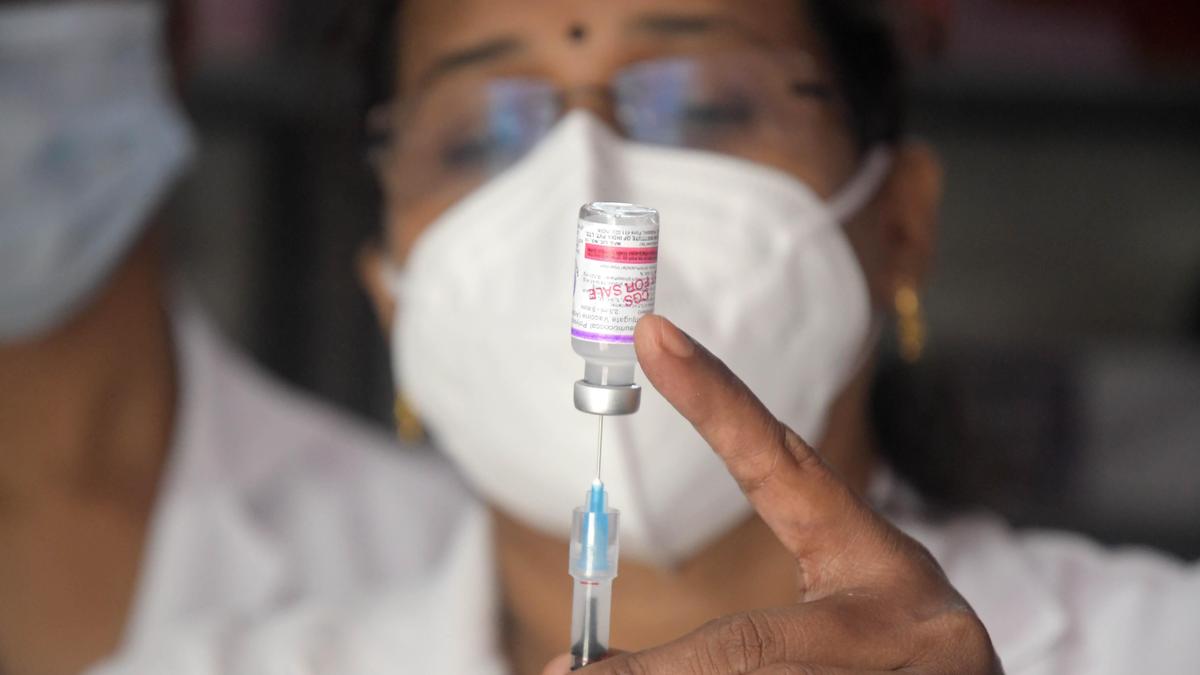
The winter season in Delhi usually results in poor air quality, outbreaks of seasonal influenza, a heavy burden on hospitals and increasing medical expenses. Hidden within the yearly air quality reports is a health problem that is preventable, and yet costs the city’s citizens lakhs. Among the elderly, especially those who have diabetes, chronic obstructive pulmonary disease, heart disease or a suppressed immune system, a viral infection can develop into bacterial pneumonia and require hospitalization. Industry estimates suggest that the average cost of a hospital stay is about ₹50,000, while intensive care can amount to ₹1 lakh. A single such incident can erase months’ worth of income and cause households relying on pensions and daily wages to slip down the income scale.

The battle against pneumonia
India has achieved real advances in the fight against pneumonia, mainly as a result of introducing the pneumococcal conjugate vaccine (PCV) as part of the Universal Immunisation Programme in 2017 and through Mission Indradhanush. Free three-dose vaccinations are provided to infants, and by 2023, vaccination rates among infants in India had reached 83%, according to the WHO/UNICEF Estimates of National Immunization Coverage (WUENIC).
The grandparents of these infants, however, are almost completely unprotected: National Sample Survey Office (NSSO) 80th Round Data on Health reveals that vaccination coverage among people aged 60 and over is only 0.40 per cent. While one generation is covered by the national programme, the other is left to avail of vaccines from a private market they may struggle to afford.
This gap is most significant in Delhi, since in the winter, the conditions can turn common respiratory infections into serious health issues.
Toxic winters
In December 2025, the city experienced its most toxic month in six years, with an average Air Quality Index of 351. Colder months naturally place a greater strain on the respiratory system. Winter air, which tends to remain stagnant, traps particulate matter near the ground: prolonged exposure compromises the lungs’ defensive abilities.
Government records show that there were more than 2,00,000 cases of acute respiratory illness and 30,000 hospital admissions in just six Delhi government hospitals between 2022 and 2024. When the pollution lasted throughout December 2025, doctors reportedly noted a 20% to 30% increase in the number of patients with respiratory problems, including some who had never before had such a condition.
These figures do not reflect the full extent of the problem, as they exclude people treated in private clinics, those who take medication on their own, infections that have never been confirmed by a laboratory test, and cases recorded as pneumonia rather than influenza.

Vaccine present, policy absent
What makes the number of hospitalisations and their resultant expenditure tragic, is that a a significant portion of this could perhaps be avoided with a vaccine that is already available. The 2026 Indian consensus guidelines concerning immunisation in adults recommend pneumococcal vaccination based on age and level of risk. It recommends the PCV20 vaccine for all adults between the ages of 18-49 years with chronic medical conditions or those considered at risk based on their health and lifestyle, or a single dose of the vaccine for all adults aged 50 and above. The guidelines also include adults who have immunosuppression and chronic diseases. For residents of Delhi, in winter when pollution makes the air toxic, this could mean the difference between a minor ailment an episode of hospitalisation.
India has no National Adult Immunisation Policy, and as a result, vaccination rates rely on individual awareness, access to a doctor, and the ability to pay out of pocket, a situation that systematically excludes older people in lower-income families. While this a critical problem ahead of winter in Delhi, it is not merely a Delhi problem: in 2022, India was estimated to whom were 149 million people aged 60 and over, a large number of whom are still economically active and support households.The Longitudinal Ageing Study in India (2017-18) showed that of Indians aged 45 and over, only around 0.6% had received a pneumococcal vaccine, a figure that has not changed much since then.

The proportion of adults aged 45 years and over who have been vaccinated in Delhi. Source: LASI Wave 1
The burden in lives
The figure for deaths due to pneumonia recorded by India’s Medical Certification of Cause of Death in 2024 was 35,987, making it the leading cause of respiratory deaths, although it remains relatively out of the spotlight compared to other causes. Even this figure is an under estimate since the system covers only about one fifth to one quarter of all registered deaths nationally, and older people who die at home rather than in a hospital where certification takes place almost never get included at all.
Data on a year-by-year basis from Delhi shows that this is not an isolated occurrence but a consistent pattern, affecting precisely the group for whom a vaccine is already available but for whom no public system provides it.
The number of institutional deaths in Delhi caused by pneumonia from 2005 to 2024. Source: Directorate of Economics & Statistics and Office of the Chief Registrar (Births & Deaths), 2024
Pollution raises the stakes
It is impossible for Delhi to solve its problem of air pollution by vaccination, and there is no suggestion here that it should. Reducing emissions at the source must continue to be the main course of action. However, the two measures operate at different stages of the same risk pathway. In the winter of 2025, the AQI reached 450 at a number of monitoring stations and people suffering from respiratory and cardiac conditions were told to remain indoors, a recommendation that is not a policy. When pollution increases baseline vulnerability, the removal of an additional infectious trigger becomes all the more important.
Before winter sets in this year, there is a concrete option available. Delhi could provide free pneumococcal vaccination to adults aged 60 and over who have recorded comorbidities via its present dispensary and mohalla clinic network and then assess both the uptake and the hospitalisation outcomes. The cost of each dose, at a few thousand rupees, is significantly lower compared to ₹65,000 for a hospitalisation episode.
Delhi already vaccinates the grandchildren; the medical case for vaccinating the grandparents is no different, it is merely administratively missing.
(Sayesha Gupta is a research student at the economics department, Jesus and Mary College, University of Delhi, [email protected]; Megha Jacob is assistant professor of the department, [email protected]; and Karan Babbar is an assistant professor of economics at XLRI Jamshedpur, [email protected])